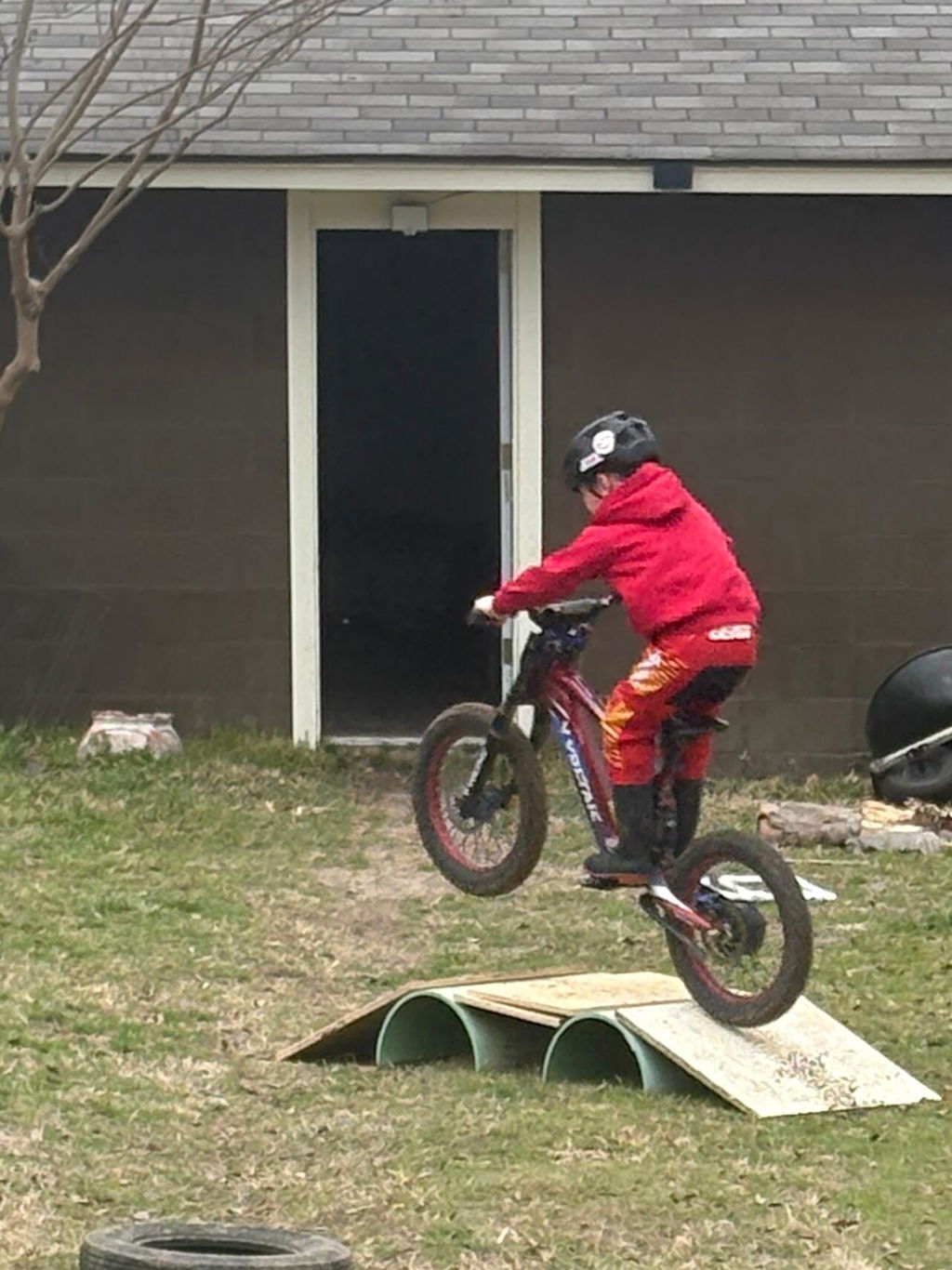
Electric Balance Bikes for Kids Compared by Age, Weight, and Skill Level

Shopping for electric balance bikes for kids sounds simple until you're twenty minutes deep into a product page comparing motor specs, seat heights, and battery ratings, and you realize you're not sure which numbers actually matter for your specific child. If that sounds familiar, you're in the right place.
At H&S Motorsports, we're a family-owned business, and we've helped a lot of parents through exactly this process. We carry high-quality kids electric balance bikes and parts for children of all ages, sizes, and skill levels, and we know from experience that the right match between child and bike makes an enormous difference in whether a kid takes to riding quickly or gets frustrated and loses interest.
This guide is organized around the three factors that actually determine fit: age, weight, size, and skill level. We'll break each one down clearly, show you how the top brands line up against those factors, and give you a practical framework for making the right call.
Why Electric Balance Bikes Are Worth Talking About
Before we get into the specifics, let's take a moment on the "why." Electric balance bikes for kids have become one of the most popular youth riding products in the U.S. over the last several years, and the reasons are pretty straightforward once you understand how they work.
A balance bike teaches kids to ride by removing pedals from the equation. Instead of trying to coordinate pedaling, steering, and balancing all at once, kids just focus on balancing. They push with their feet to get moving and glide to practice balance. It's a simpler, more intuitive learning sequence, and it works. Kids who start on balance bikes almost universally transition to regular bikes faster and more confidently than kids who start with training wheels.
An electric balance bike adds a small motor to that foundation. The motor provides gentle forward assist, which means kids can focus even more purely on balance and steering without wearing themselves out scooting. The speed is controlled by parents through multiple settings, so the bike only goes as fast as you decide is appropriate. For toddlers especially, this creates a riding experience that's engaging, manageable, and genuinely fun from the very first session.
The key is choosing a bike that actually fits the child riding it. That's what this whole guide is about.
Why Age Matters More Than You Might Think

Age is the first filter most parents apply when choosing a kids electric balance bike, and it's a reasonable place to start. But age alone doesn't tell the whole story. Two 4-year-olds can be very different riders depending on their size, temperament, and prior experience. That said, age gives you a useful starting framework, so let's use it.
Ages 2 to 3
At this age, kids are just developing their coordination and have very limited experience on any kind of bike or ride-on toy. The ideal electric balance bike for this group needs to be extremely light, have a very low minimum seat height so small legs can reach the ground flat-footed, and offer a beginner speed mode that is genuinely slow, somewhere around 2 to 3 miles per hour.
Most 2 and 3-year-olds will spend many months in the slowest mode before they're ready to progress. That's completely normal. The goal at this stage isn't speed, it's getting comfortable being on two wheels and trusting the balance process.
The STACYC 12eDRIVE is the most commonly recommended bike for this age group in the U.S. At about 9 pounds, it's light enough for small kids to manage, and Mode 1 of the eDRIVE system is appropriate even for complete beginners as young as 2.
Ages 3 to 5
This age range covers a huge span of physical and developmental ability. A 3-year-old just starting out and a 5-year-old who's been on an electric balance bike for a year are very different riders, even though they're only two years apart.
For kids at the younger or newer end of this range, the same beginner-focused bikes that work for 2-year-olds are still the right call. For kids at the older end who've already built some confidence, a step up in performance and size starts to make sense.
The STACYC 12eDRIVE works well up to about age 4 for most kids. The STACYC 16eDRIVE, with its larger wheels and more power, suits kids from about 4 to 7, depending on size and skill. The Elektrode, manufactured by Kawasaki, is also a strong fit for this age range, especially for kids who are going to be riding outdoors on grass or gravel.
Ages 5 to 8 and Beyond
Older kids in this range are typically ready for more performance, more terrain capability, and more of an actual riding challenge. They've usually developed good balance instincts and can handle hand brakes and a more responsive throttle.
Mantis bikes are particularly well-suited to this age group. Their higher top speeds, durable construction, and hand brake systems give experienced young riders the kind of bike that doesn't feel like a toy. The STACYC 16eDRIVE also remains a solid option here, especially for kids who started on the 12 and are comfortable with the STACYC control system.
Age Guide at a Glance
|
Age Range |
Recommended Style |
Top Picks |
|
2 to 3 years |
Beginner, lightweight, ultra-slow mode |
STACYC 12eDRIVE, Voltaic |
|
3 to 5 years |
Beginner to intermediate, adjustable |
STACYC 12/16eDRIVE, Elektrode |
|
5 to 8 years |
Intermediate to performance |
STACYC 16eDRIVE, Mantis, Elektrode |
|
7 years and up |
Performance, terrain-capable |
Mantis, STACYC 16eDRIVE |
Weight and Size: Getting the Fit Right
This section might be the most practically important one in the whole guide. More bikes end up being a poor fit because of size mismatch than any other reason, and the fix is simple once you know what to measure.
Inseam Measurement Comes First
Before you look at a single bike spec, measure your child's inseam. Have them stand in bare feet or thin socks, feet together, and measure from the floor to their crotch. That number is the most important measurement in the whole buying process.
The minimum seat height of whatever bike you're considering needs to be at or below that inseam measurement. If the minimum seat height is higher than your child's inseam, their feet won't reach the ground when seated. On a balance bike, that's not just uncomfortable, it's dangerous. Kids stop and stabilize themselves with their feet, and if they can't touch the ground, they can't do that.
Conversely, if the minimum seat height is way lower than the inseam, the bike will feel too small quickly, and you'll be looking at an upgrade sooner than expected. A little room is fine. A lot of room usually means waiting until your child grows into it.
Bike Weight vs. Child Weight
The weight of the bike itself matters more for younger riders than older ones. A toddler who weighs 30 pounds is going to struggle with a 14-pound bike if it falls over. They simply don't have the strength to right it easily, which leads to frustration. The general guideline is that the bike should weigh no more than about one-third of the child's body weight for younger or smaller kids.
For kids ages 5 and up, bike weight matters less because they're bigger and stronger. A heavier, more robustly built performance bike is appropriate for a confident older rider in a way it wouldn't be for a small toddler.
Weight Capacity of the Bike
Every electric balance bike has a maximum weight limit, which is the maximum child weight the bike is designed to safely support. Always check the weight capacity and make sure your child falls comfortably within it. Going significantly over the rated weight limit affects handling, brake performance, and component longevity.
Most kids' electric balance bikes in this category have weight limits in the range of 60 to 100 pounds, depending on the model. For most children in the target age ranges, this isn't a limiting factor, but it's worth verifying especially for larger kids at the upper end of the age range.
Size and Weight Reference Chart
|
Child Age |
Typical Inseam |
Typical Weight |
Bike Style to Consider |
|
2 to 3 years |
12 to 14 inches |
25 to 35 lbs |
12-inch wheel, ultra-light |
|
3 to 5 years |
14 to 17 inches |
30 to 50 lbs |
12 or 16-inch wheel, light-moderate |
|
5 to 7 years |
16 to 20 inches |
45 to 65 lbs |
16-inch wheel, moderate weight ok |
|
7 years and up |
18 to 22 inches |
55 to 80 lbs |
16-inch or larger, performance models |
Note: These are general ranges. Always measure your individual child and check the bike's specific seat height range and weight capacity before buying.
Skill Levels: Matching the Bike to Where Your Child Is Right Now

Age and size get you to the right neighborhood. Skill level gets you to the right house. Here's how to think about the three main skill tiers.
Beginner
A beginner is any child who is new to two-wheeled riding, regardless of age. This includes most toddlers on their first bike, cautious older kids who haven't ridden before, and any child who's coming off a tricycle or ride-on toy and hasn't experienced balancing on two wheels.
For beginners, the priorities are simple: the bike needs to be as light as possible, the beginner speed mode needs to be as slow as possible, and the throttle response needs to be smooth and predictable. Surprises are not good for beginner riders. A bike that surges unexpectedly or that feels twitchy can knock a child's confidence and create a setback that takes weeks to recover from.
Best choices for beginners: STACYC 12eDRIVE, Voltaic. Both are specifically optimized for the beginner experience and have been consistently well-received by parents of first-time riders across the U.S.
Intermediate
An intermediate rider has already spent some time on a balance bike or electric balance bike, is comfortable with the basic balance and steering process, and is ready for a little more speed, a little more terrain variety, or both. Most kids reach this stage after about six months to a year of regular riding, though some get there faster.
At the intermediate stage, the priority shifts from ultra-slow speed control to progression. You want a bike with enough speed headroom to challenge the child without overwhelming them, and ideally one that handles a variety of surfaces since intermediate riders tend to start exploring beyond the flat driveway.
Best choices for intermediates: STACYC 16eDRIVE, Elektrode by Kawasaki, Voltaic on higher settings. The Elektrode is especially well-suited here because its Kawasaki-engineered construction and pneumatic tires handle outdoor terrain naturally, and the adjustable seat height means the bike grows with the child.
Advanced
An advanced young rider has built real skill over time and is genuinely looking for a performance challenge. They can handle more speed, more responsive controls, and rougher terrain. They may also be ready for hand brakes, which is a skill that opens up a much wider world of cycling later on.
At this stage, the beginner-focused features of entry-level bikes feel limiting. An advanced rider on a bike that maxes out at 7 mph in a mode they've been in for a year is going to get bored fast, and boredom leads to kids pushing limits in unsafe ways to find more excitement.
Best choices for advanced riders: Mantis, STACYC 16eDRIVE at full settings. Mantis in particular is built for this rider. The higher performance ceiling, terrain-capable pneumatic tires, and hand brakes are all features that advanced young riders will use and appreciate.
Skill Level Chart
|
Skill Level |
Defining Traits |
Key Features Needed |
Top Picks |
|
Beginner |
New to two wheels, no prior riding experience |
Ultra-light, very slow mode 1, smooth throttle |
STACYC 12eDRIVE, Voltaic |
|
Intermediate |
6 to 12 months of experience, comfortable balancing |
More speed headroom, adjustable seat, varied terrain |
STACYC 16eDRIVE, Elektrode |
|
Advanced |
1 or more years riding, ready for a real challenge |
High top speed, hand brakes, durable construction |
Mantis, STACYC 16eDRIVE |
Top Brands and Models: An Honest Look
Now that you have a framework for age, size, and skill, here's how the leading brands fit into it.
STACYC

STACYC is the benchmark brand in kids electric balance bikes in the U.S. Backed by Harley-Davidson and available through a nationwide dealer network, STACYC has earned its reputation through years of reliable performance and genuinely excellent beginner-focused design.
The 12eDRIVE targets ages 2 to 4, weighs about 9 pounds, and uses a three-mode eDRIVE system that gives parents precise control over speed progression. Foam-filled tires mean no flat tire maintenance ever. The 16eDRIVE steps up for ages 4 to 7 with larger wheels and more power, using the same control system for an easy transition. Both bikes hold up to real-world kid use extremely well, and parts are easy to find everywhere, including at H&S Motorsports.
Elektrode by Kawasaki

The Elektrode is the electric balance bike manufactured by Kawasaki, and it carries all the engineering credibility that name implies. Designed to look like a scaled-down version of Kawasaki's motocross bikes, the Elektrode comes in classic green-and-black or white and is an instant hit with any kid who's ever seen a real dirt bike.
The bike is designed for kids roughly ages 3 to 5, features two speed modes, an adjustable seat height, and pneumatic tires that handle outdoor terrain excellently. For families with motorsports roots or kids who will be riding in yards, parks, or on dirt paths, the Elektrode is a natural fit. Kawasaki's manufacturing standards ensure a bike that's built to last.
Voltaic

Voltaic earns consistent praise for one specific thing: the smoothest throttle response in the category. Where other bikes can engage with a slight surge, Voltaic bikes ramp up power gradually and predictably. For a hesitant or nervous beginner of any age, that smooth power delivery is genuinely confidence-building.
Voltaic also offers fine-tuned parental speed controls on select models, going beyond a simple mode switch to allow more precise speed customization. Foam-filled tires, solid build quality, and a strong beginner-focused design philosophy round out the package. H&S Motorsports carries Voltaic bikes and parts specifically because we've seen how well they work for the kids who most need that gentle introduction to electric riding.
Mantis

Mantis is built for performance, and it delivers. These bikes feature higher top speeds, hand brakes, pneumatic tires, and durable construction designed for more aggressive riding. They're not the right fit for beginners, but for an experienced rider ages 5 and up who has outgrown beginner models, Mantis is one of the best options available.
The hand brakes are worth calling out specifically because they're a real skill-builder. Learning to brake with your hands rather than your feet is a technique that carries directly into mountain biking, BMX, and every other form of two-wheeled riding. Getting comfortable with hand brakes early is a genuine long-term benefit.
Practical Tips for Parents

A few things that will make the whole experience better, whichever bike you choose.
Always confirm inseam before you order. Look up the minimum seat height for the specific model you're considering and compare it to your child's inseam measurement. This is the most commonly missed step and the most common reason for a return.
Start in the slowest mode, every single time. Even if your child seems fearless and is begging for more speed, start in Mode 1. Let them spend real time there, not just one session. The reflexes and muscle memory that develop at slow speed are what keep them safe when speed goes up.
Gear up completely before every ride. A properly fitted, certified helmet is non-negotiable. For young riders, a full-face helmet is strongly recommended. Add knee pads, elbow pads, and riding gloves especially in the learning phase.
Smart Buying and Maintenance Tips for Kids' Electric Balance Bikes
Charge after every session. Plug the bike in when you put it away, every time. This habit keeps the battery healthy and means the bike is always ready when your child wants to ride. Avoid storing the bike with a fully depleted battery for extended periods.
Think about where your child will actually ride. If it's mostly driveways and smooth paths, foam-filled tires are the easy, low-maintenance choice. If they'll be in the backyard, on trails, or on varied outdoor surfaces, pneumatic tires give better traction and a more comfortable ride.
Keep an eye on fit as your child grows. Kids grow fast. Check the seat height every few months and make sure there's still room for adjustment. When the seat is maxed out and your child is clearly ready for more, it's time to look at the next model up. H&S Motorsports carries bikes for all stages, so you can step up without starting the research process over from scratch.
Stock a few key accessories. A good stand keeps the bike organized. Number plates and graphics let kids personalize their ride. Replacement grips, chargers, and other wear items are worth having on hand so a minor maintenance need doesn't sideline the bike for days. H&S Motorsports carries accessories and parts for all the major brands we stock.
Bringing It All Together
Choosing the right kids electric balance bike comes down to three things working together: the right age fit, the right physical size match, and the right skill level alignment. Get all three right, and your child is going to have a great experience. Get one of them wrong, and you'll likely end up with a frustrated kid or an underused bike.
For most toddlers and first-time riders, the STACYC 12eDRIVE remains the safest and most reliable starting point in the U.S. market. Designed for outdoor-adventurous kids aged 3 to 6, the Elektrode by Kawasaki offers strong engineering quality and excellent terrain capability. Meanwhile, Voltaic stands out for cautious beginners of any age with its smooth and controlled throttle response. And for experienced older riders ready to push their limits, Mantis delivers where it counts.
H&S Motorsports carries all of these brands, along with the parts, accessories, and protective gear that go with them. We're a family-owned business, we genuinely care about getting this right for your family, and we offer fast delivery across the U.S., so your child isn't waiting long once you've made your decision.
Explore our full collection of kids electric balance bikes online and find the perfect ride for your child today. We're here to help every step of the way.