How to Choose the Right Kids Electric Balance Bike

The right kids electric balance bike is not necessarily the fastest one or the model with the largest wheels. It is the bike the rider can fit, stop, steer, and manage confidently in the places they will actually ride.
Use age as a general reference only. Rider inseam, control reach, strength, current skills, bike weight, terrain, and power delivery provide a much better answer.
Step 1: Identify the Bike Category
Products marketed for young riders do not all belong in the same category.
- Manual balance bike: No throttle or motor. Best for learning balance, steering, and stopping before adding power. Our recommended manual option is the SYNDYT SYP 120 push bike, available in red and pink. It works as a Strider-style alternative while retaining moto plastics and a dirt-bike look.
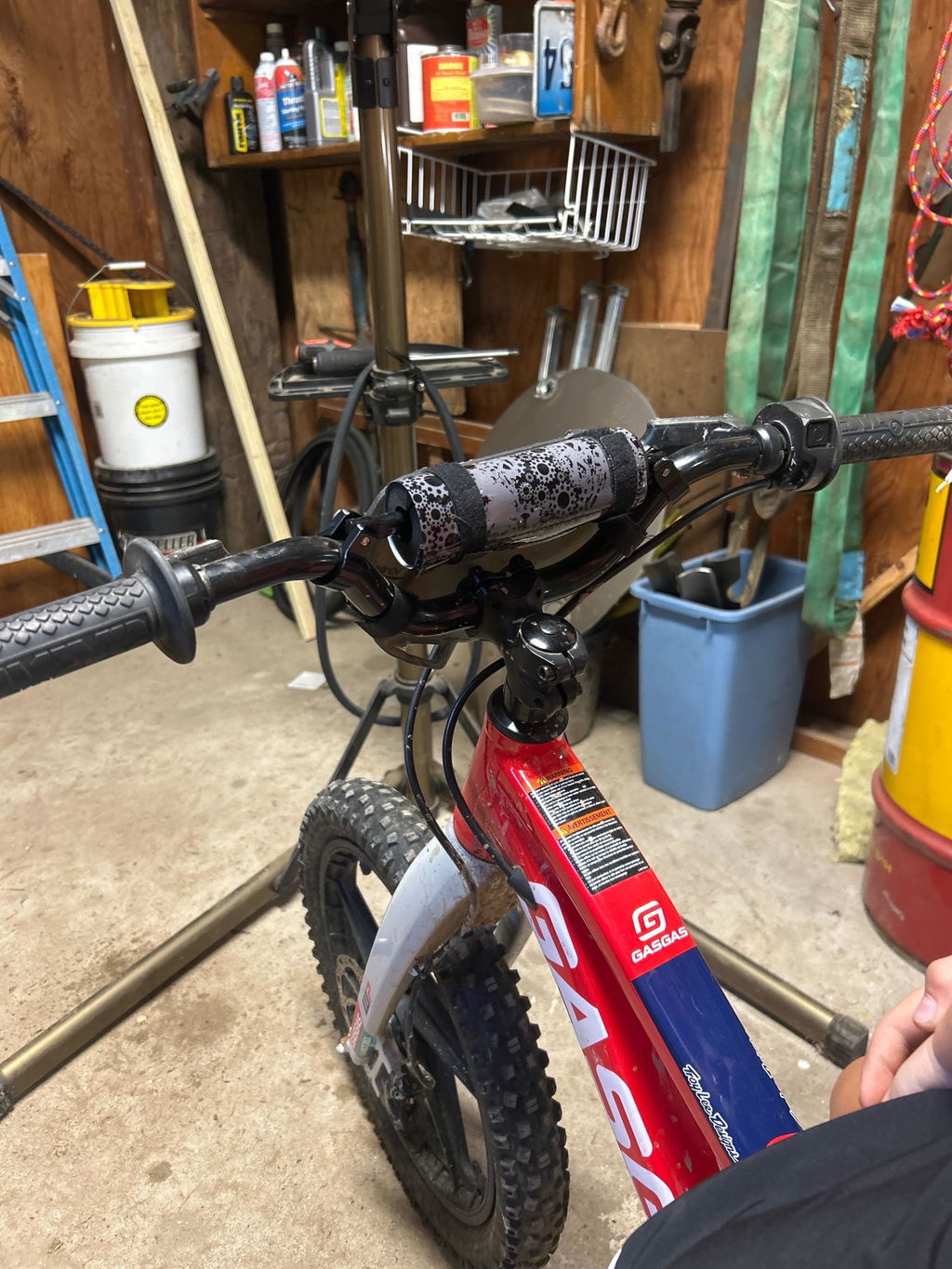
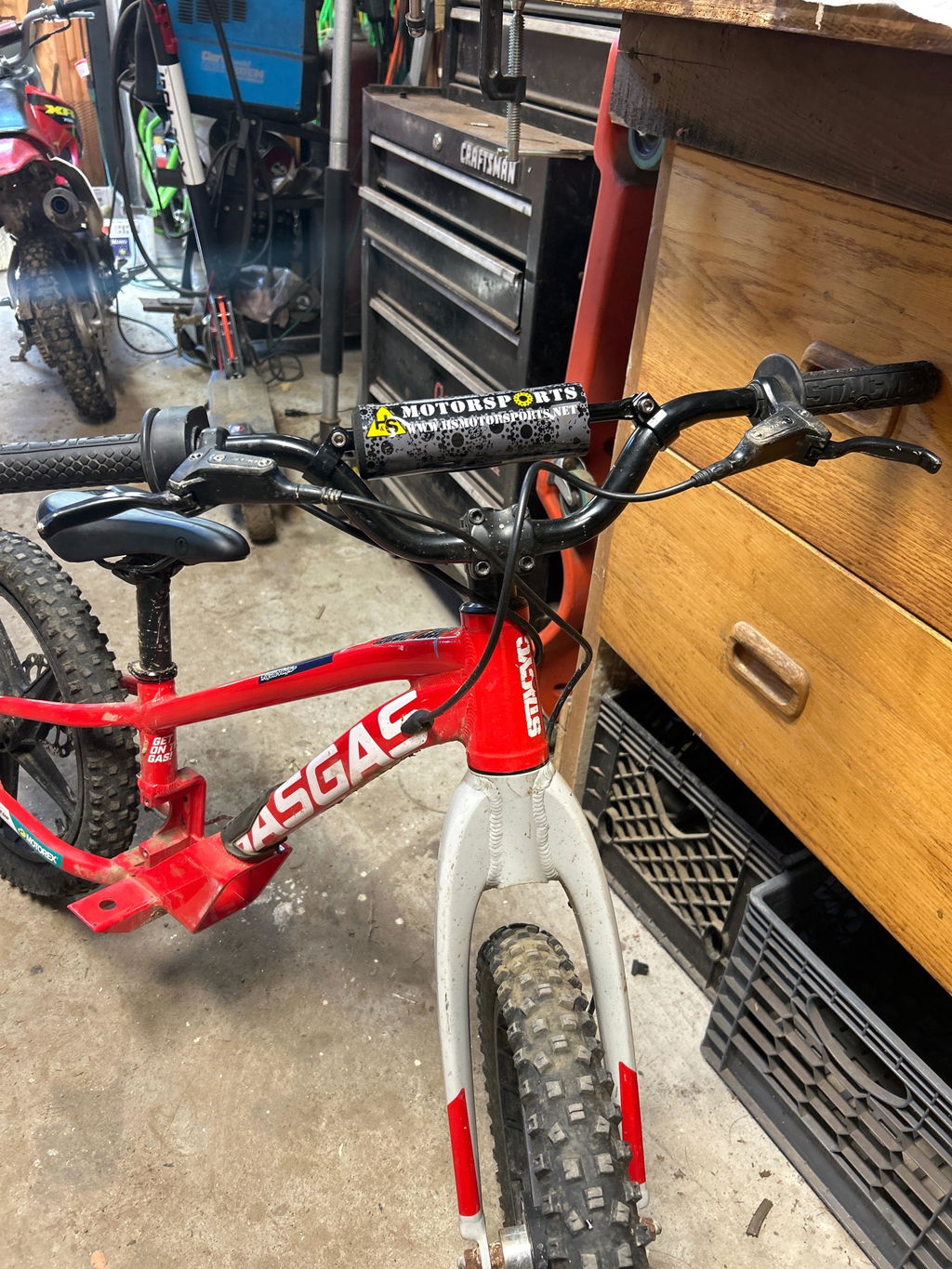
- Electric balance-bike platform: Lightweight chassis, low seat, and simple speed progression. Examples include the STACYC 12eDRIVE, STACYC 16eDRIVE Brushless, Voltaic Cub 12, and Voltaic Lion 16.
- Performance balance-bike or EBMX platform: More power and a higher skill requirement while retaining a compact frame. The SYNDYT SYR 120 and SYNDYT SYR 160 fit this progression better than a first-bike category.
- Suspended step-up bike: Heavier chassis with suspension, hydraulic brakes, and greater terrain capability. Voltaic Flying Fox and larger high-performance STACYC models fit here.
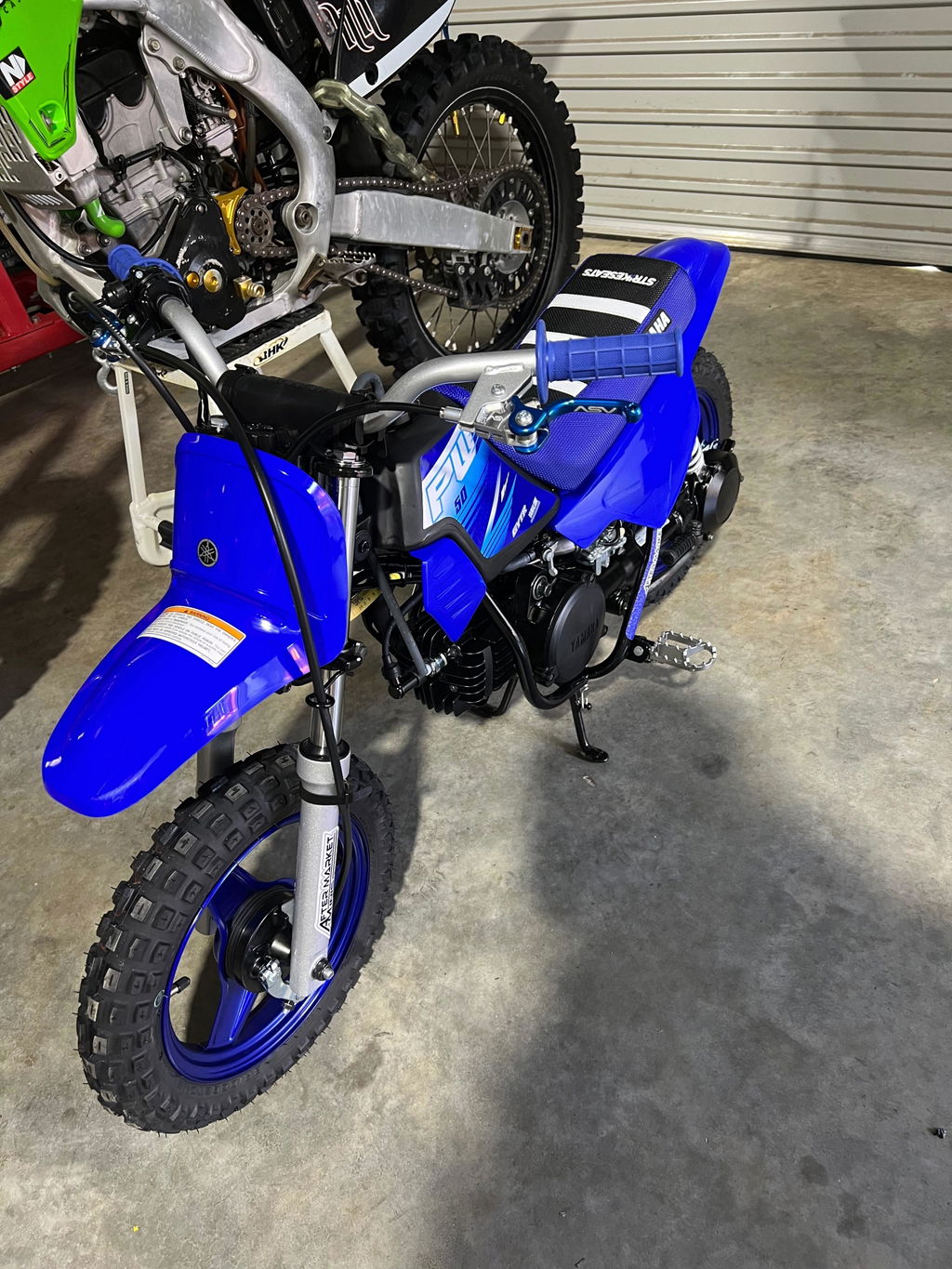
- Electric mini-moto or dirt bike: Motorcycle-style platform with foot pegs, significantly more weight, and much higher performance. A Rawrr Mini R or R17 is not a beginner electric balance bike.
Step 2: Measure Inseam and Control Reach
Measure the rider's inseam in normal riding shoes. Compare it with the bike's minimum seat height and verify that the rider can place both feet securely on the ground.
Then check the cockpit:
- Can the rider reach the throttle without rotating the whole arm?
- Can they operate the brake lever with a controlled grip?
- Are the handlebars narrow enough for comfortable steering?
- Can they turn the bars without their knees or body blocking movement?
Wheel size is not a substitute for these checks. Two bikes with the same advertised wheel size can have very different seat heights, weight, geometry, and control reach.
Step 3: Match the Bike to Current Skill
| Rider stage | What to look for | Avoid |
|---|---|---|
| Learning balance | Manual balance bike, low seat, very manageable weight | Adding throttle before the rider can steer and stop |
| First electric bike | Predictable low mode, easy brake reach, lightweight chassis | Buying mainly for future top speed |
| Confident balance-bike rider | More room, stronger braking, controlled power progression | Jumping directly to a heavy mini-moto |
| Experienced off-road rider | Suspension, hydraulic brakes, terrain-appropriate tires, suitable riding area | Treating a higher-performance bike as neighborhood recreation |
Step 4: Consider Bike Weight
The rider needs to do more than sit on the bike. They must steer at low speed, stop without being pulled over, recover when the bike leans, and move it around when the motor is off.
A heavier bike may add suspension, braking, and stability over rough terrain, but it also raises the skill and strength requirement. This is one reason a low power mode cannot make every large bike beginner-friendly.
Step 5: Match Brakes, Tires, and Suspension to Terrain
- Smooth, controlled practice area: A simple rigid platform may be all the rider needs.
- Grass or uneven private property: Tire traction and predictable braking become more important.
- Authorized off-road facility: Suspension, hydraulic brakes, protective gear, and rider experience matter much more.
Foam or solid-style tires reduce flat-tire maintenance. Pneumatic tires can provide better grip and ride quality but require pressure checks and can puncture. Suspension improves control on rough terrain but adds weight and maintenance.
Step 6: Compare Power Progression
Look beyond maximum speed. A useful beginner setup needs a genuinely manageable first mode and predictable throttle response. The rider should stay in the lowest practical setting until stopping, turning, and throttle control are consistent.
More power becomes useful only after the rider has the skills, strength, protective equipment, supervision, and riding area to use it responsibly.
Step 7: Plan for Parts and Service
Replacement parts matter because youth bikes get ridden, dropped, and passed down. Before buying, consider whether you can obtain:
- Brake components and levers
- Throttles and controllers
- Batteries and chargers
- Tires, tubes, and drivetrain parts
- Axles, bearings, hardware, and controls
H&S Motorsports has particularly deep support for STACYC OEM and aftermarket parts. We also carry SYNDYT parts and Voltaic products. Voltaic replacement parts can be harder to source at times and are not as consistently available as STACYC parts.
Brand and Model Starting Points
- STACYC: Proven lightweight progression and the deepest parts ecosystem in our catalog.
- Voltaic Cub and Lion: Beginner-oriented options with removable batteries and straightforward power settings.
- SYNDYT SYR: Compact performance progression for riders with established skills.
- Voltaic Flying Fox: Suspended step-up platforms for confident riders ready for additional weight and maintenance.
- Rawrr Mini R and R17: Electric mini-moto/dirt-bike platforms for experienced riders and permitted off-road use—not direct beginner balance-bike alternatives.
Choose an Appropriate Riding Area
Confirm local law and the rules of the specific property or facility. Do not assume a motorized youth bike may be used on public streets, sidewalks, bike lanes, bicycle paths, public parks, or non-motorized trails.
Higher-performance bikes belong at authorized tracks, OHV parks, permitted motorized riding areas, or suitable private property with the owner's permission.
Bottom Line
Choose by category first, then confirm inseam, control reach, bike weight, current skills, terrain, braking, power progression, and parts support. A properly fitted beginner bike will build more confidence than a larger machine purchased mainly for future speed.
Need help narrowing it down? Contact H&S Motorsports with the rider's inseam, current bike, riding experience, and typical terrain. We can help identify the right category before recommending a specific model.